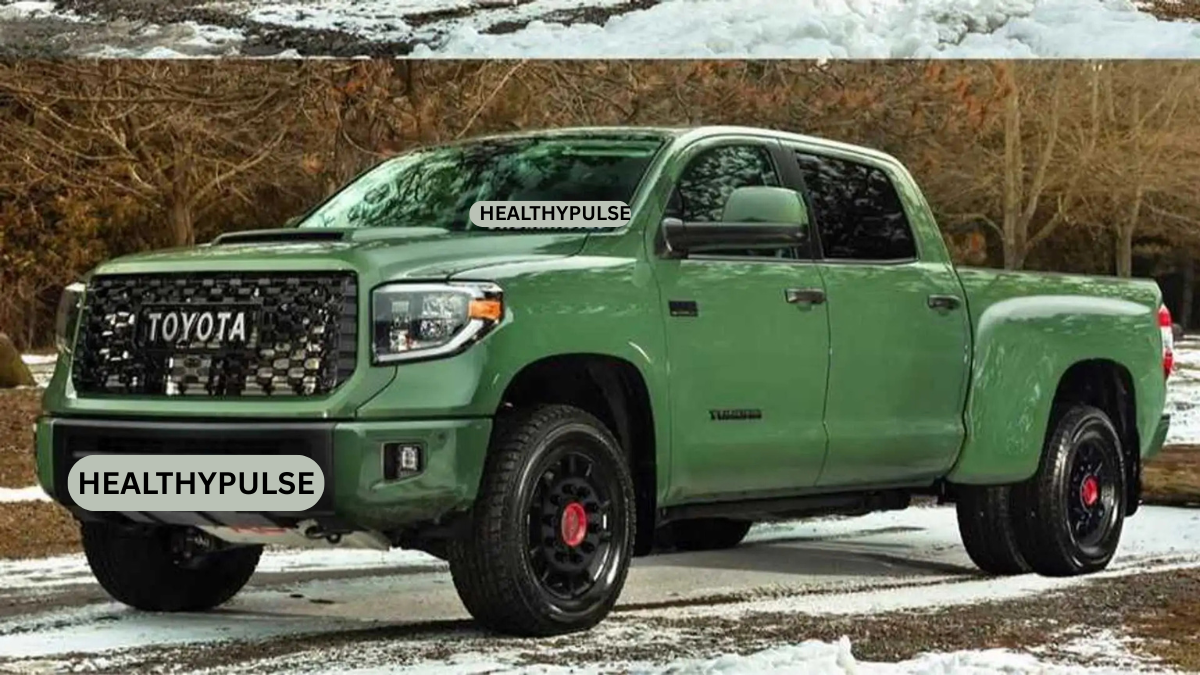
Big pickup trucks usually look like they belong on dusty ranches or American highways.
But the 2026 Toyota Tundra feels like it’s trying to break that stereotype a little. The first look hints that this big machine isn’t just for towing boats or hauling lumber—it wants to survive daily life, traffic, and mall parking without drama. That alone makes it interesting.
If you’ve followed pickup culture even casually, you know the Tundra has always been Toyota’s solid but slightly conservative full-size truck. Good reputation, not much flash. The 2026 model changes that vibe quietly, with updates that feel less about muscle-flexing and more about livability.
A full-size truck that doesn’t behave like one
The first surprise was how civil the cabin feels. Pickup interiors used to be all plastic, fabric, and “just get the job done” energy. Now this one is rolling out with plush seats, soft-touch panels, and stitched details that wouldn’t look strange in a premium SUV. Even the steering wheel looks more Lexus than utility vehicle.
It’s the same story with ride quality. Early testers abroad mentioned how it glides over broken patches instead of tossing the cabin around. If you’ve ever sat in the previous generation on concrete expansion joints, you’ll appreciate that evolution immediately.
Toyota seems to have worked on vibration control too. Body-on-frame trucks naturally flex, but this one apparently hides it better. On a long commute, that small detail becomes a big relief.
Daily life matters more than brochures admit
Truck brochures love quoting tow ratings, torque numbers, and payload charts. Useful, but not really what you feel during the week. Most people drive to work, drop kids, pick up groceries, sit in traffic, and occasionally take a highway trip.
A full-size truck is only tolerable in that routine if it behaves like:
- an SUV at low speeds
- a cruiser at highway speeds
- a pickup only when needed
The 2026 Tundra seems to be inching closer to that sweet spot. Better damping means fewer head tosses over speed breakers. The exhaust note is calmer. And there’s a newfound emphasis on cabin quietness—something pickups rarely talk about, but once you experience it you can’t go back.
Hybrid power makes the conversation interesting
One of the biggest shifts is the hybrid option. Not because it’s trendy, but because it makes practical sense. Trucks need torque. Electric motors are basically torque dispensers.
A mild-hybrid or full-hybrid setup gives better low-speed shove without screaming for revs. That makes city crawling smoother and towing easier. And if fuel prices keep wandering north, even a small efficiency bump matters.
Hybrids also soften the image of these trucks. People who would’ve earlier dismissed them as too crude or too thirsty might take a second look now.
Livability over lifestyle bragging
The American market loves lifestyle trucks—campers, lifted rigs, chrome bars, rooftop tents, the whole catalogue. The Tundra can do that, but Toyota seems to be pushing an angle that’s more relatable:
Live with it. Not just pose with it.
For example, the 2026 model’s storage solutions look designed by someone who actually uses them. Doors swallow bottles properly. The center console is big enough to hide a small bag. Wireless charging pads aren’t placed where your phone flies during hard braking.
Even rear passengers get actual seat comfort instead of a bench that looks borrowed from school buses. That matters when people use these trucks as family haulers—something that’s increasingly common abroad.
How it feels compared to SUVs
Pickups and SUVs now overlap more than ever. Many buyers cross-shop between them. If someone is used to a Fortuner or Highlander, how would a Tundra feel?
From early impressions: surprisingly close.
The cabin insulation and seating geometry feel more SUV than hardcore truck. The only giveaway is the sheer size—you are piloting a big machine, and you’re always aware of width.
But weirdly, that command seating might appeal to the same crowd that buys large SUVs “just for the confidence.”
Could that work in Indian cities? Probably not widely yet—our parking infrastructure would panic. But the aspirational element is real. Just look at the buzz around imported Raptors and Rams.
Technology finally catches up
Toyota has been slow with infotainment in recent years. The new Tundra finally fixes that. The giant central screen isn’t just for show—it has cleaner menus, faster response, and maps that don’t feel like they came from a borrowed rental car.
Even towing tech gets smarter. Instead of selling brute numbers, Toyota added guidance systems and checklists that reduce the anxiety of actually using those towing ratings. Most trucks advertise capability; only a few help you use it without calling your experienced uncle for assistance.
It also helps that driver aids now feel less intrusive. Lane-keeping in a truck must be gentle—nobody wants the wheel to fight them. Early drives suggest Toyota tuned it with restraint.
Still a truck at heart, just less stubborn about it
For all the comfort talk, it’s not pretending to be a sedan. The bed is still long and useful. Tie-down hooks are sturdy. The rear bumper still makes loading easier. There’s no identity crisis—just a broader personality.
That’s the interesting part. Trucks don’t need to be one-dimensional anymore. They can be tools on weekends and commuters on weekdays.
SUVs already travelled this road a long time ago.
Why Indian truck fans are paying attention
Even though full-size pickups won’t flood Indian roads anytime soon, the cultural pull is growing. Off-road groups, adventure travel, and overlanding channels have made trucks aspirational again.
And when imports like the F-150 Raptor or RAM TRX show up at events, people swarm them with cameras. It’s not practical envy—it’s lifestyle imagination.
The Tundra fits into that imagination differently. Less wild, more civilised. A vehicle you could actually justify if circumstances allowed.
It also speaks to a new kind of customer: someone who doesn’t want to choose between rugged and refined.
Concerns that make sense
No vehicle is perfect. The Tundra still carries some practical limitations:
- Size is intimidating in narrow cities
- Fuel economy is better but not magical
- Parking remains an exercise in geometry
- Full-size trucks need wide turning radiuses
Even the hybrid system, while clever, won’t make it sip fuel like a hatchback. Mass and aerodynamics don’t negotiate compromises for free.
But to be fair, nobody buys a full-size truck expecting hatchback numbers.
A quiet confidence instead of loud marketing
What I like about this generation is how Toyota isn’t shouting. There’s no aggressive chest-thumping about power or toughness. Instead, the message feels like:
“We made it nicer to live with. Try it and see.”
That subtle confidence works better. Buyers today care about comfort almost as much as capability. And very few admit they tow once a year but commute 300 days.
The Tundra is simply acknowledging the truth.
Final thoughts
The 2026 Toyota Tundra might not convert everyone into a truck fan overnight. But it does something important for the segment: it brings the idea of big-truck comfort into daily life without making it feel ridiculous.
If trucks keep evolving in this direction—more hybrid help, more cabin refinement, more usability—they might attract people who once dismissed them entirely.
Makes you wonder: if you had the space and roads for it, would you actually consider living with a truck like this?